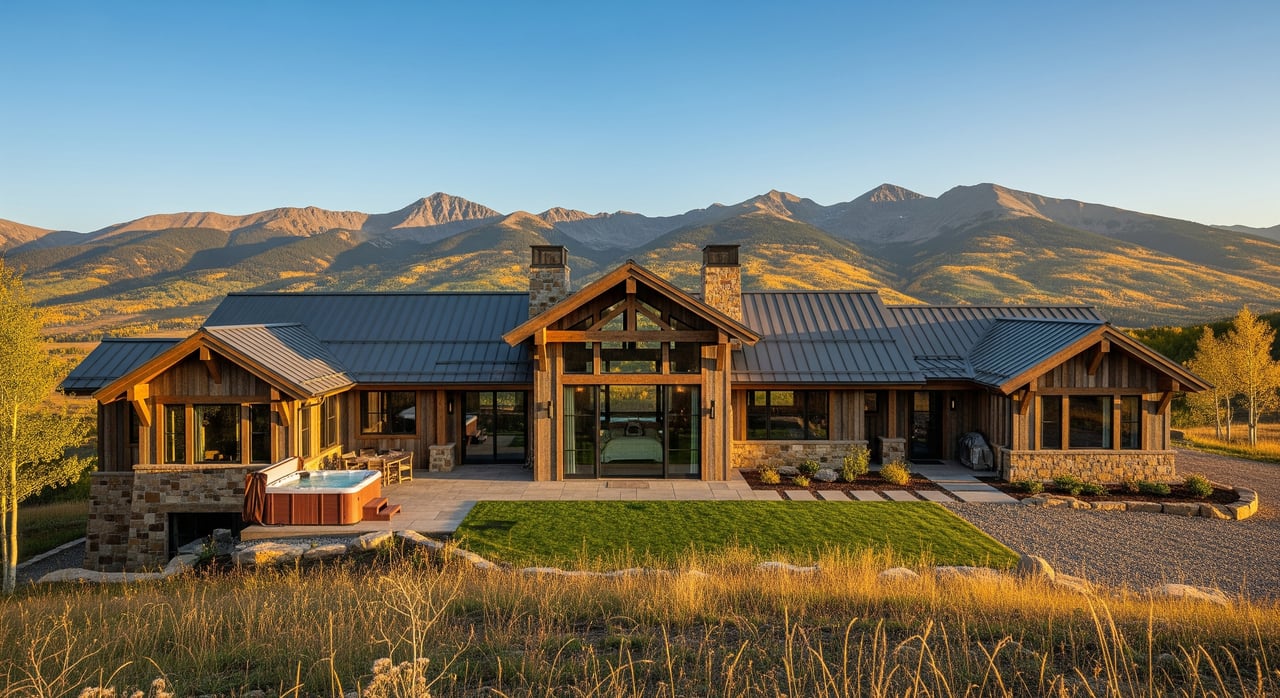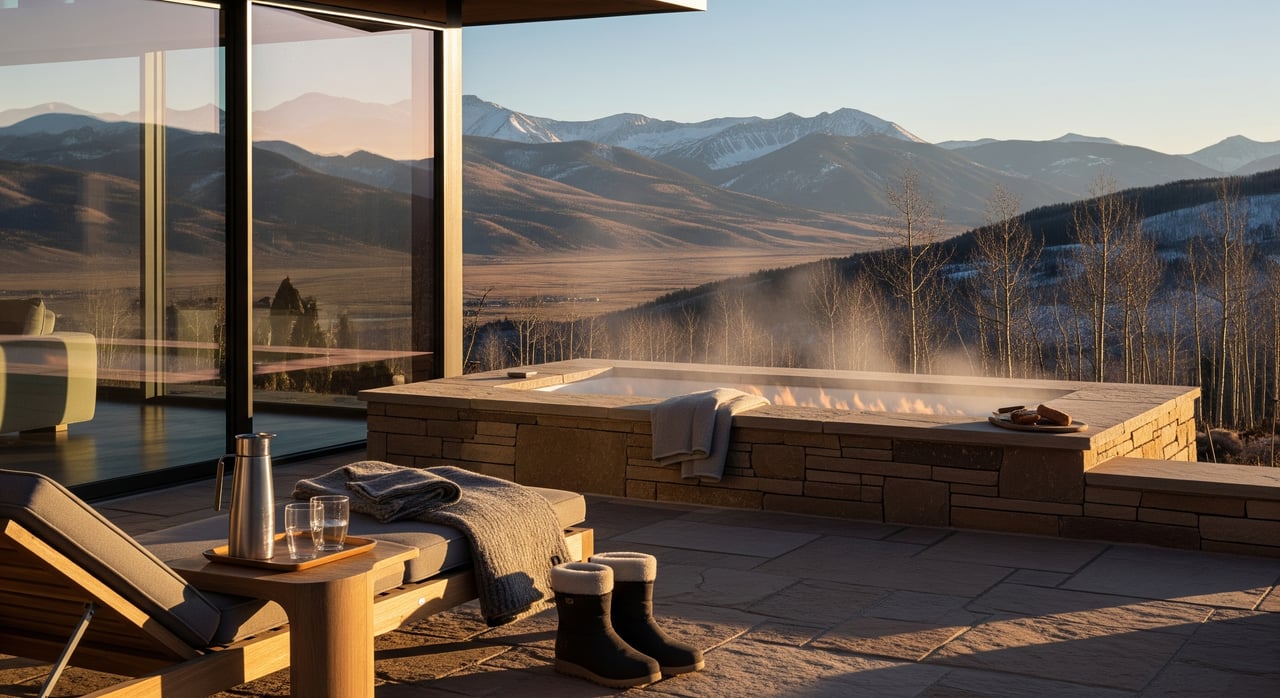
Moving to nearly 10,000 feet can feel different on day one. The air is thinner, the sun is stronger, and simple tasks can take more effort. If you are excited about your new Fairplay home but want a smooth first week, you are in the right place. You will learn how your body adapts, what to do in the first 72 hours, what to stock at home, when to seek care, and who to call locally. Let’s dive in.
Fairplay altitude basics
Fairplay sits close to 9,950 feet, where many unacclimatized people start to feel altitude effects. At this elevation the barometric pressure is lower, so each breath delivers fewer oxygen molecules. Your body responds by breathing faster and increasing heart rate, then adapts over several days. Fairplay also has dry air, strong sun, and reflective winter snow, which shape your hydration and sun protection needs. You can confirm local climate and elevation on the Park County climate page.
- Learn more about local elevation and climate from the Park County climate page: Park County climate and elevation
- Review how the body adapts and common altitude illnesses: CDC Yellow Book on high-altitude
Your first 72 hours
Treat move-in as a gentle acclimation window.
- Go easy for 48 to 72 hours. Unpack in phases, skip intense workouts, and build activity gradually. This reduces the chance of acute mountain sickness and helps recovery if symptoms start. See practical guidance in this overview: high-altitude illness basics.
- Hydrate regularly, but not excessively. The dry, cool air and faster breathing increase fluid loss. Sip water through the day and limit alcohol early on since it can affect sleep and hydration.
- Prioritize sleep. Sleep can feel lighter at altitude. If you use CPAP or BiPAP for sleep apnea, keep your routine and talk with your clinician about settings before you move. Research shows altitude can trigger periodic breathing during sleep: sleep and altitude discussion.
Stock your home kit
Having a few items ready makes settling in much easier.
- OTC basics: acetaminophen or ibuprofen for headache, oral rehydration or electrolyte drinks, a thermometer, and an anti-nausea medicine if your clinician recommends one. These help with mild symptoms while you monitor for changes.
- Sun protection: broad-spectrum sunscreen, UV-blocking sunglasses, and a brimmed hat. UV exposure increases with altitude and snow reflection in winter. See guidance on UV and altitude here: WHO UV radiation facts.
- Optional monitoring: a pulse oximeter can be useful if you have heart or lung disease or concerning breathlessness. Resting oxygen levels are lower at high elevation, so interpret results with care and use them as an adjunct to clinical advice: home pulse oximeter overview.
Know the warning signs
Understanding symptoms helps you act early and avoid emergencies.
- Acute Mountain Sickness (AMS): headache, poor sleep, nausea, dizziness, fatigue, or loss of appetite, usually 6 to 24 hours after arrival. Rest, hydrate, and avoid further exertion or ascent. If symptoms worsen, seek care.
- High-Altitude Cerebral Edema (HACE): severe headache, clumsiness or trouble walking, confusion, or altered behavior. This is an emergency that requires immediate descent and urgent medical care.
- High-Altitude Pulmonary Edema (HAPE): shortness of breath at rest, worsening cough, pink or frothy sputum, or blue lips. This is life-threatening and requires rapid descent and emergency treatment.
Clinical details and best practices are outlined in the Wilderness Medical Society guidelines: prevention and treatment of altitude illness.
Medications and prevention
Talk with your personal clinician about prevention that fits your health history.
- Acetazolamide can reduce AMS risk and improve sleep quality at altitude. A common preventive approach is 125 mg twice daily, starting one day before ascent and continuing for two days after you reach your target elevation. Only start under medical guidance and review allergies and contraindications. More detail here: CDC Yellow Book medication guidance and prescribing notes from specialists: SPS overview on prevention medicines.
- Dexamethasone may be used when acetazolamide is not appropriate or for serious illness such as HACE, but it does not assist acclimatization and should be clinician-directed.
Special situations to plan for
Certain health situations benefit from a pre-move check-in with your clinician.
Heart or lung conditions
If you have COPD, pulmonary hypertension, heart failure, or a recent cardiac event, ask about testing and whether you might need supplemental oxygen for daily living or sleep. Specialist guidance notes that some patients require evaluation before relocating to elevations near 10,000 feet: European Respiratory Society recommendations.
Pregnancy
If you are pregnant or planning pregnancy, discuss relocation timing and monitoring with your obstetric provider. Long-term high-altitude residence has been associated with certain pregnancy-related risks. An individualized plan is best.
Children and older adults
Both groups can be more sensitive to hypoxia. Ascend gradually, keep a close eye on symptoms, and ask your clinician about dosing if considering any altitude-related medication for children.
Sleep-disordered breathing
Altitude can worsen periodic breathing and nocturnal oxygen levels. Continue CPAP or BiPAP, carry backup equipment, and review settings with your sleep or pulmonary clinician. For background on altitude and breathing patterns, see this clinical discussion: altitude and sleep-breathing.
Local care and emergency plans
- Primary care in Fairplay: South Park Health Care, operated by Heart of the Rockies Regional Medical Center, serves residents at 525 Hathaway St. New residents should establish care soon after arrival: HRRMC South Park Health Care update.
- Emergency transport: Park County relies on regional transport for higher-level care. South Park Ambulance coordinates patient transfers to hospitals such as St. Anthony Summit Medical Center in Frisco or HRRMC in Salida, depending on conditions and need: South Park Ambulance patient transport.
- What to do in an emergency: If you suspect HACE or HAPE, call 911, arrange rapid transport, and descend to lower elevation if possible. Supplemental oxygen and specific medications may be used by clinicians. See the clinical guidance here: altitude illness emergency care.
Quick move-in checklist
- Before moving, talk with your clinician if you have heart or lung disease, severe anemia, recent cardiac events, or pregnancy. You may need testing or an oxygen plan.
- Days 0 to 3, go easy. Rest, hydrate, limit alcohol, and break up heavy lifting.
- Stock sunscreen, UV sunglasses, a small first-aid kit, OTC pain reliever, electrolyte drinks, and a thermometer. Consider a pulse oximeter if you have cardiopulmonary disease.
- Ask your clinician about acetazolamide if you have a history of altitude illness or a rapid move timeline. Do not self-prescribe.
- Seek emergency care if you develop severe headache, confusion, trouble walking, shortness of breath at rest, or a cough with frothy or pink sputum.
Settling into Fairplay should feel exciting, not overwhelming. If you prepare for altitude, pace your first few days, and know where to get help, you will be ready to enjoy mountain living with confidence. If you are planning a move, want hyper-local guidance, or need a trusted partner for buying or selling, reach out to The Clare Day Collective. We are here to help you make a smooth transition to life in the high country.
FAQs
What is Fairplay’s elevation and how long does acclimation take?
- Fairplay sits near 9,950 feet, and the early phase of acclimation usually takes several days as your breathing and heart rate adjust.
What should you avoid during your first 72 hours in Fairplay?
- Avoid heavy lifting, endurance workouts, and excess alcohol, and focus on rest, hydration, and sleep while you settle in.
What are the urgent warning signs of severe altitude illness?
- Severe headache with confusion, trouble walking, shortness of breath at rest, or pink and frothy cough are emergency signs that require descent and 911.
Do you need stronger sun protection at Fairplay’s altitude?
- Yes, UV exposure increases with elevation and snow reflection, so use sunscreen, UV-blocking sunglasses, and a brimmed hat.
Is a pulse oximeter helpful for new residents at high altitude?
- It can help people with heart or lung disease track trends, but it is only an adjunct and does not replace clinical evaluation.